Recovering After Rotator Cuff Surgery with Dr. Christopher Kontogianis
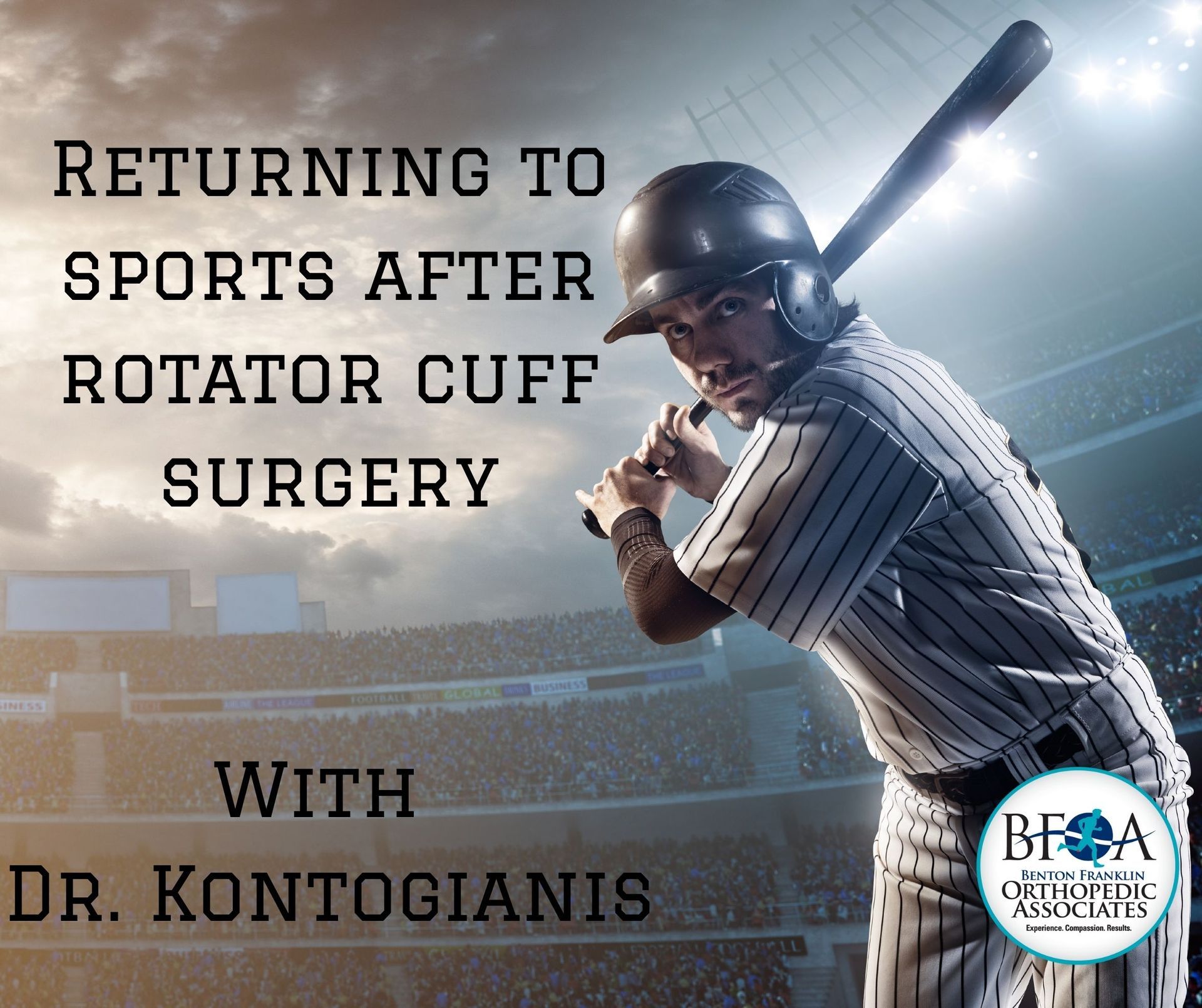
Top 5 Things Athletes Should Do After Rotator Cuff Surgery
Insights from Dr. Christopher Kontogianis, Benton Franklin Orthopedic Associates
Recovering from rotator cuff surgery can feel like a long road—especially for athletes eager to return to peak performance. Dr. Christopher Kontogianis emphasizes a structured, patient-centered approach that balances protection, mobility, and strength. Here are five essential steps to optimize your recovery:
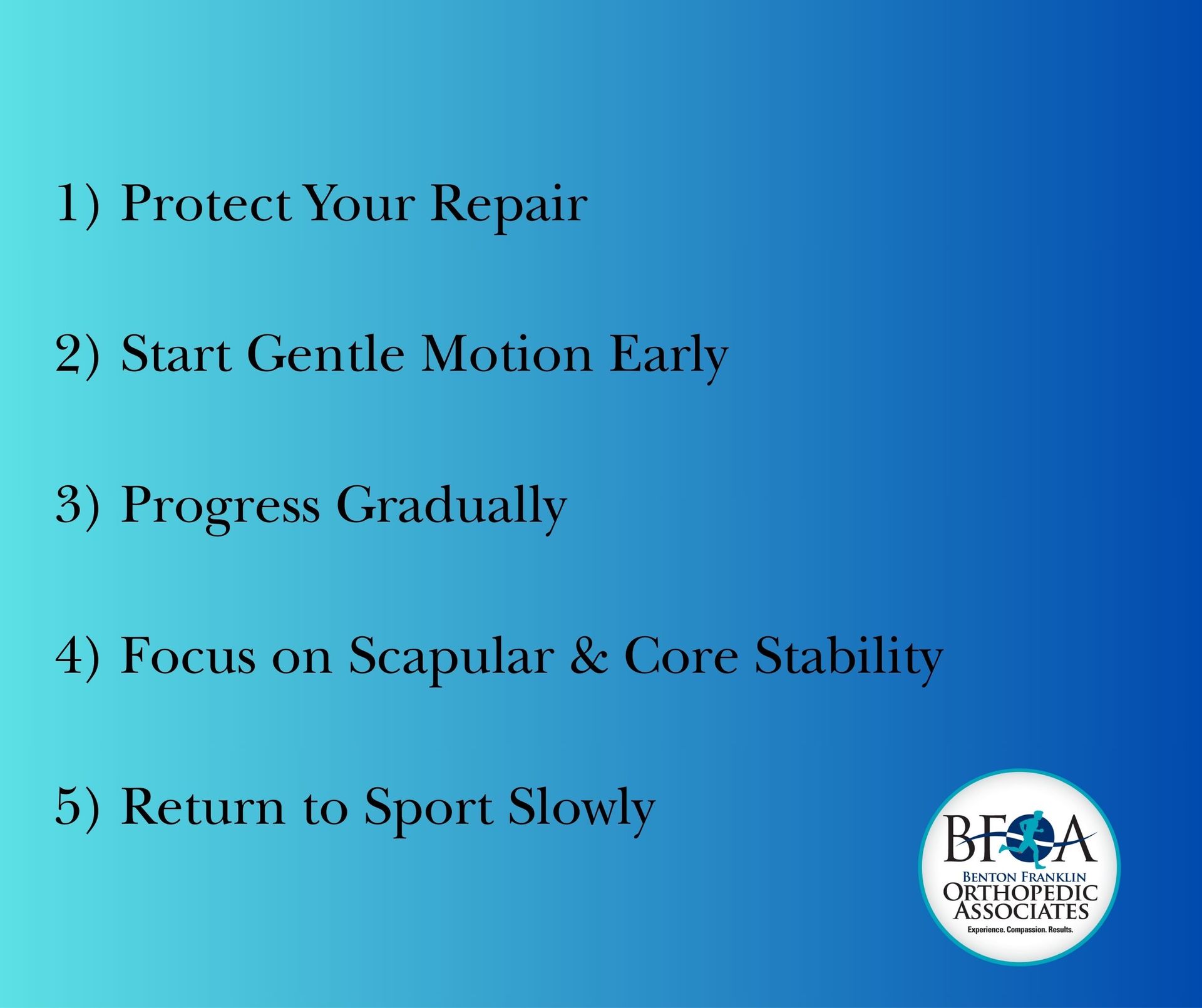
1. Protect Your Repair (Weeks 0–6)
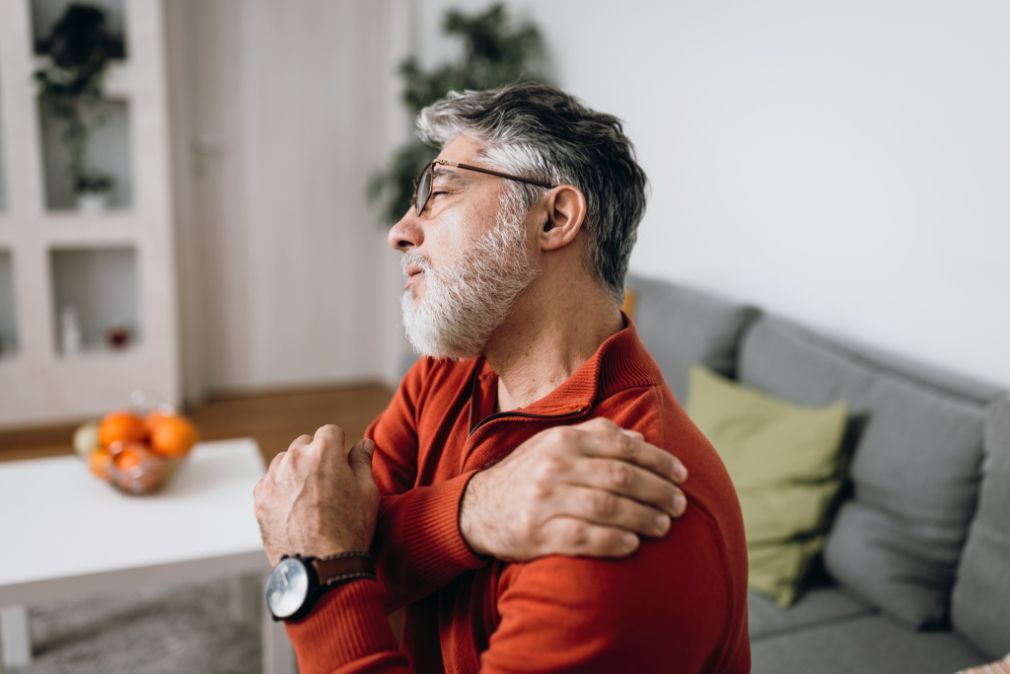
The first six weeks are critical for tendon-to-bone healing. Wear your sling as prescribed—often full-time—with an abduction pillow at night. This prevents unnecessary strain and reduces the risk of re-tear. Dr. Kontogianis stresses that understanding why these precautions matter helps athletes stay committed during this phase.
2. Begin Gentle Passive Motion Early
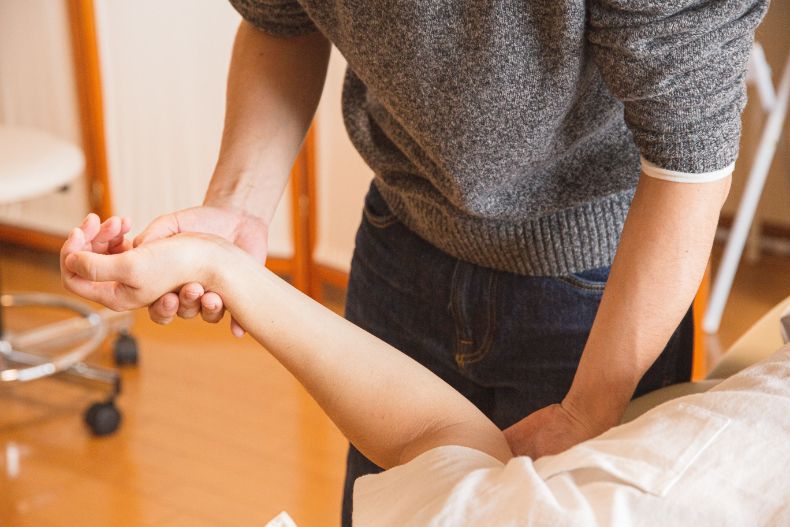
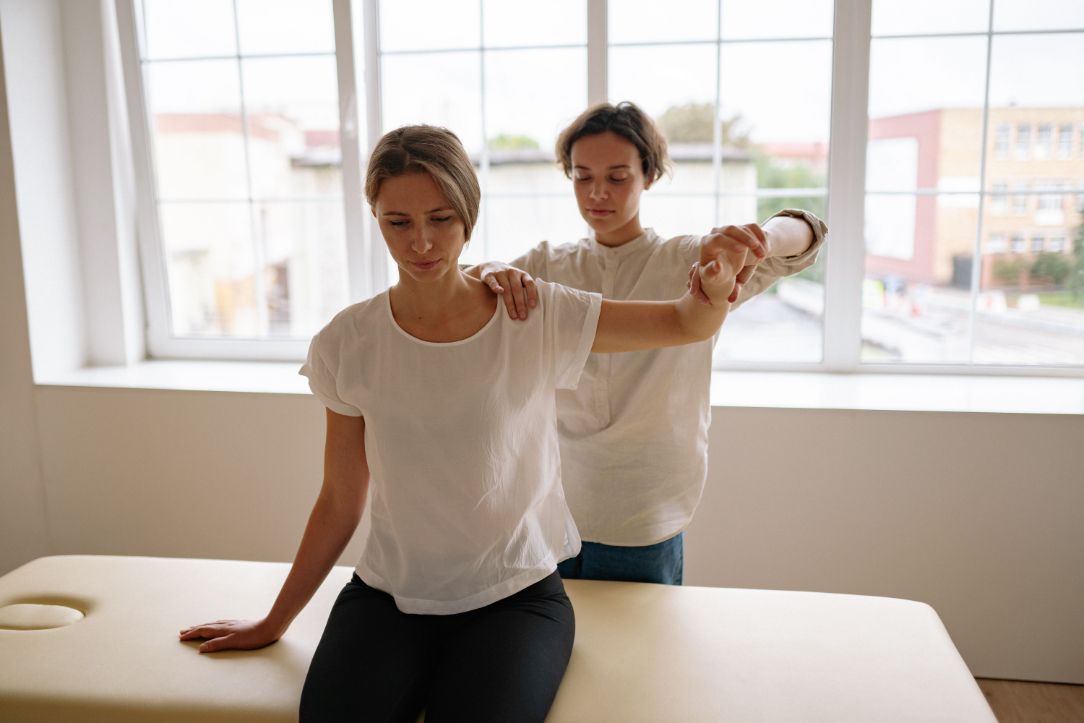
While protection is key, early passive range of motion (PROM) exercises—like pendulums and assisted forward elevation—help prevent stiffness. Keep movements within safe limits (e.g., flexion under 90°, external rotation under 20°) and always follow your surgeon’s guidance. This balance sets the stage for long-term mobility.
3. Progress Gradually to Active and Strength Work
Around 6–12 weeks, transition from passive to active-assisted and then active range of motion. Begin light isometric strengthening of the rotator cuff and scapular stabilizers. By 12 weeks, introduce resistance bands and controlled isotonic exercises. Remember: slow, steady progress beats rushing back and risking reinjury.
4. Build Scapular and Core Stability
Athletic performance depends on more than just shoulder strength. Incorporate exercises that improve scapular control, posture, and core stability. These foundations restore proper mechanics for throwing, lifting, and overhead movements—essential for sports like baseball, swimming, and CrossFit.
5. Return to Sport—The Smart Way
Most athletes start sport-specific drills between 16–20 weeks and return to full play after 4–6 months, pending surgeon clearance. Dr. Kontogianis emphasizes outcome-driven recovery: no shortcuts, just a safe, structured path back to your goals—whether that’s skiing, biking, or competitive sports.
Key Takeaways:
- Healing takes time—respect the process.
- Communication with your surgeon and physical therapist is vital.
- Align your rehab with your athletic goals for motivation and success.
Who is Dr. Christopher Kontogianis?
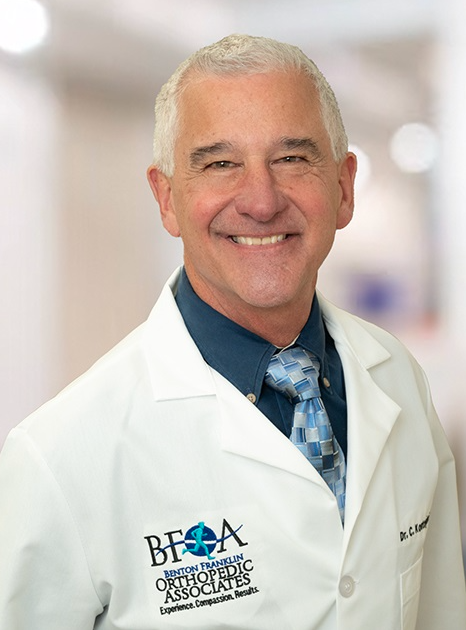
After completing multiple rotations across surgical and nonsurgical specialties, Dr. Christopher Kontogianis—known to many as Dr. “K”—was struck by the profound impact orthopedics has on quality of life. While cardiac and trauma surgeons save lives, orthopedic surgeons restore the ability to live fully—helping people run, ski, and return to the activities they love. That realization shaped his career goal: to give patients the chance to move freely again and reclaim their passions.
Many of Dr. K’s patients recognize him not just from the clinic, but from the ski slopes or bike trails. His shared love for outdoor pursuits informs his approach to care: straightforward, relatable, and focused on getting patients back to their pre-injury lifestyle. He understands the frustration of giving up beloved activities and works tirelessly to ensure his patients don’t have to.
Credentials
- Board-Certified: American Board of Orthopedic Surgery
- Fellow: American Academy of Orthopedic Surgery
- Residency: Orthopedic Surgery, Bellevue Hospital/NYU Medical Center, New York, NY
- MD: New York University, New York, NY
- Adjunct Faculty: Pacific Northwest University of Health Sciences
- Memberships: American Medical Association, Washington State Orthopedic Association, Benton Franklin County Medical Society
Orthopedic Interests: Sports Medicine, Arthroscopic Surgery, Knee Surgery, Shoulder/Rotator Cuff Injuries, Hand Surgery, Work Injuries, Fracture Care and L&I clinic.
Dr. K’s Philosophy:
“My job is simple: to get patients back to doing what they love. I speak with my patients—not at them—in language they understand. I know what it’s like to give up something you love, and I strive to make sure my patients don’t have to.”
📞 Call us today at (509) 586-2828 or visit our Kennewick office to schedule your sports medicine consultation.