Hip Pain in Kennewick: Causes & Relief | BFOA
Whether taking a weekend walk through Columbia Park, stepping down from your truck, or simply trying to sleep comfortably, hip pain can quietly rob you of the activities you love. Across Kennewick, Pasco, and Richland, thousands of Tri-Cities residents live with joint discomfort every day, often assuming surgery is their only option.
At Benton Franklin Orthopedic Associates (BFOA), we view things differently. For over 30 years, our team has delivered trusted orthopedic services designed to restore mobility and protect your quality of life. Our philosophy is straightforward: we exhaust every conservative, non-surgical treatment before ever considering an operation.
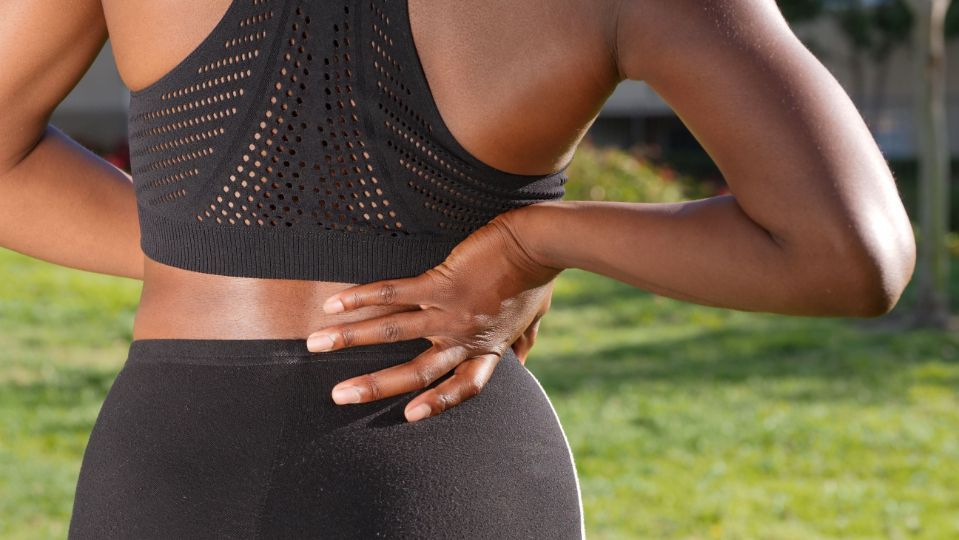
What Does Your Hip Pain Feel Like?
Hip pain rarely stays in one place, and its location often holds the key to diagnosing the underlying problem:
- Deep Groin Discomfort: This is the most common indicator of true hip joint damage, often signaling arthritis or cartilage wear.
- Outer Thigh & Buttock Aching: Frequently tied to bursitis, muscle strain, or sciatic nerve irritation.
- Joint Stiffness: Difficulty bending over to tie your shoes or get out of a car after sitting.
- Catching or Locking: A physical sensation that the joint is slipping or stuck during movement.
Recognizing these subtle cues early prevents minor joint irritation from developing into chronic immobility.
Common Causes of Hip Joint Discomfort
Understanding the exact cause of your hip pain is critical because treatment for a soft-tissue tear looks vastly different from managing joint degradation. During an initial consultation at BFOA, we narrow down the source of your discomfort using advanced physical diagnostic tests and digital imaging.
The most common causes of hip joint pain we diagnose and treat include:
- Hip Osteoarthritis (Degenerative Joint Disease):
- What It Is: The gradual breakdown of smooth hyaline cartilage that cushions the ends of the bones inside the hip socket (acetabulum). As cartilage wears thin, bone rubs against bone.
- What It Feels Like: A deep, dull ache centered in the groin or front of the thigh, accompanied by morning stiffness that takes 30 to 40 minutes to "warm up." You may hear or feel a grinding sensation (crepitus) when walking or stepping out of bed.
- Who It Affects: Typically adults over 50, individuals with a history of joint trauma, or those with underlying joint misalignment.
- Hip Bursitis (Trochanteric & Ischial Bursitis):
- What It Is: Inflammation of the small, fluid-filled sacs (bursae) that act as friction-reducing cushions between muscles, tendons, and bones around the hip joint.
- What It Feels Like: Sharp, intense pain located specifically on the outer point of the hip that transitions into a wide, aching sensation down the outside of the thigh. It is notoriously painful when lying directly on the affected side at night or rising from a deep chair.
- Who It Affects: Common in runners, walkers, and individuals with gait changes caused by knee or lower back issues.
- Hip Labral Tears & Femoroacetabular Impingement (FAI):
- What It Is: FAI occurs when extra bone develops along the ball (femoral head) or socket, creating an irregular fit. Over time, this abnormal contact pinches and tears the labrum, the ring of tough cartilage that seals and stabilizes the hip joint.
- What It Feels Like: A sharp, catching, or clicking feeling inside the groin, especially when twisting, squatting, or performing athletic movements. Sitting for long periods (like driving across the Tri-Cities) often triggers a constant, deep ache.
- Who It Affects: Active individuals, athletes, and adults born with subtle structural variations in the hip assembly.
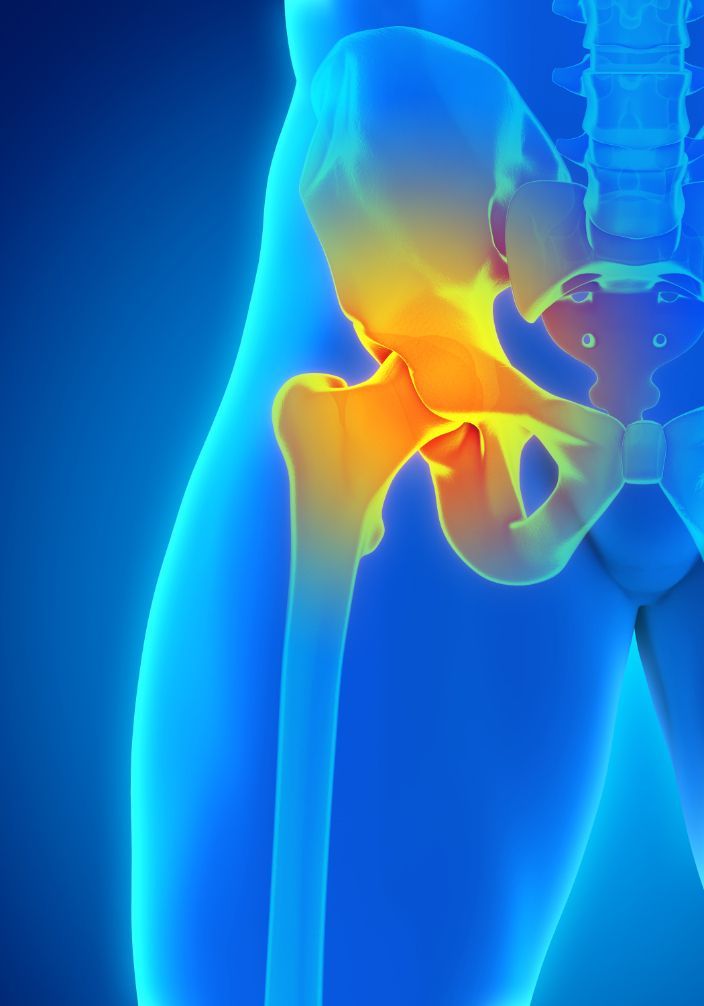
- Hip Tendonitis & Muscle Strains:
- What It Is: Micro-tears and inflammation in the thick muscle groups controlling hip movement most notably the flexors (front of the hip), adductors (inner thigh), and gluteal tendons.
- What It Feels Like: Tenderness when pressing directly on the muscle, stiffness when lifting the leg toward the chest, or acute pain during sudden bursts of activity.
- Who It Affects: Weekend warriors, runners, and individuals suddenly increasing their physical activity levels.
- Avascular Necrosis (Osteonecrosis):
- What It Is: A condition where temporary or permanent loss of blood supply to the head of the femur (thighbone) causes the bone tissue to die and collapse internally.
- What It Feels Like: Early stages may be symptom-free, but as it progresses, it causes severe, sudden groin or buttock pain that makes bearing weight almost impossible.
- Who It Affects: Individuals with prior joint trauma, prolonged steroid use, or certain underlying medical conditions.
Regardless of the underlying cause, getting a precise diagnosis early prevents minor joint irritation from progressing into permanent structural damage. Explore our tailored hip pain solutions in Kennewick to learn how we isolate your specific condition.
Step 1: Exploring Non-Surgical Treatment Options
At BFOA,
surgery is never our default. Our core treatment philosophy centers on exhausting conservative, non-invasive pathways first. We design a multi-tiered non-surgical care strategy tailored around your specific diagnosis, mobility goals, and daily demands.
Here is what our conservative care process looks like from start to finish:
Phase 1: Comprehensive Evaluation & Diagnostics
Before prescribing any treatment, we conduct a thorough assessment to pinpoint the mechanical root cause of your pain:
- Clinical Physical Examination: Testing your joint range of motion, muscle strength, nerve function, and specific provocation movements (such as the FABER test).
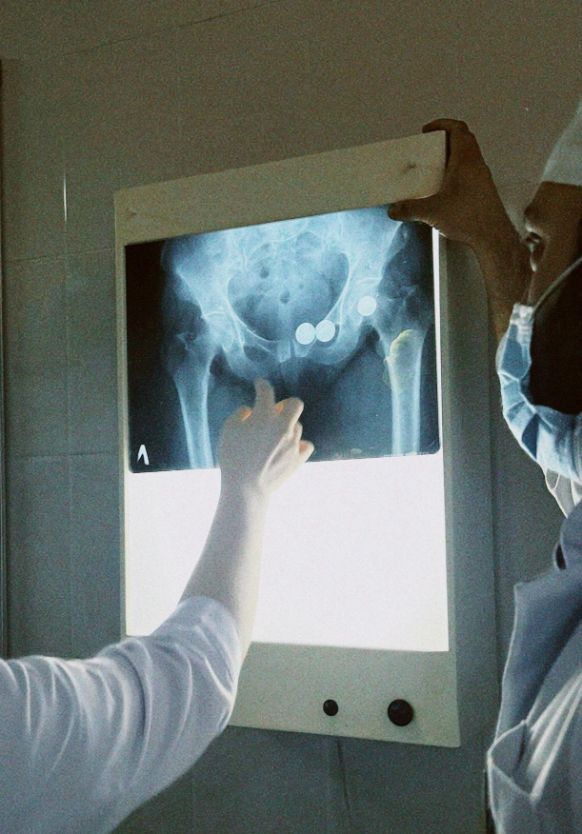
- In-House Digital Imaging: On-site digital X-rays to check joint space narrowing, bone spurs, or alignment issues. When needed, advanced MRI imaging is ordered to inspect soft tissue like the labrum and bursae.
Phase 2: Targeted Non-Surgical Therapies
Once we have a clear diagnosis, we map out a structured management plan:
- Targeted Physical Therapy & Rehabilitation:
- The Process: You work directly with licensed physical therapists to strengthen the core, gluteal, and hamstring muscle groups that support the hip joint.
- What It Accomplishes: Offloads physical pressure from worn cartilage, restores lost joint range of motion, corrects gait mechanics, and re-educates stabilizing muscles to prevent compensation injuries.
- Precision-Guided Joint Injections:
- Corticosteroid Injections: Administered directly into the hip joint space or bursa (often using ultrasound guidance for exact placement). This delivers rapid, powerful anti-inflammatory action to calm flared tissue, providing months of significant pain relief so you can comfortably participate in physical therapy.
- Hyaluronic Acid (Viscosupplementation): For select patients, lubricating fluid injections help cushion the joint surfaces to reduce friction during movement.
- Regenerative Medicine (Platelet-Rich Plasma / PRP Therapy):
- The Process: A small sample of your blood is drawn and processed in a centrifuge to isolate concentrated platelets rich in growth factors. This plasma is then precisely injected into damaged tendons or ligaments surrounding the hip.
- What It Accomplishes: Stimulates your body’s natural cellular repair processes, accelerating soft-tissue recovery and reducing chronic inflammation without synthetic medications.
- Custom Bracing & Activity Modification:
- The Process: We analyze your daily routines from work habits to recreational sports and recommend targeted adjustments. This may include unloader bracing, ergonomically adjusted seating, temporary weight-bearing modifications, and custom stretching protocols.
By combining these conservative treatments into one coordinated plan, the vast majority of our patients experience substantial pain relief and regain their mobility without ever needing an operating room.
Discover how our medical team builds personalized conservative treatment plans through our comprehensive hip care in Kennewick.
Step 2: Advanced Surgical Solutions When Conservative Care Isn't Enough
When non-surgical therapies no longer deliver adequate relief, surgical joint restoration becomes a safe, highly predictable path back to an active life.
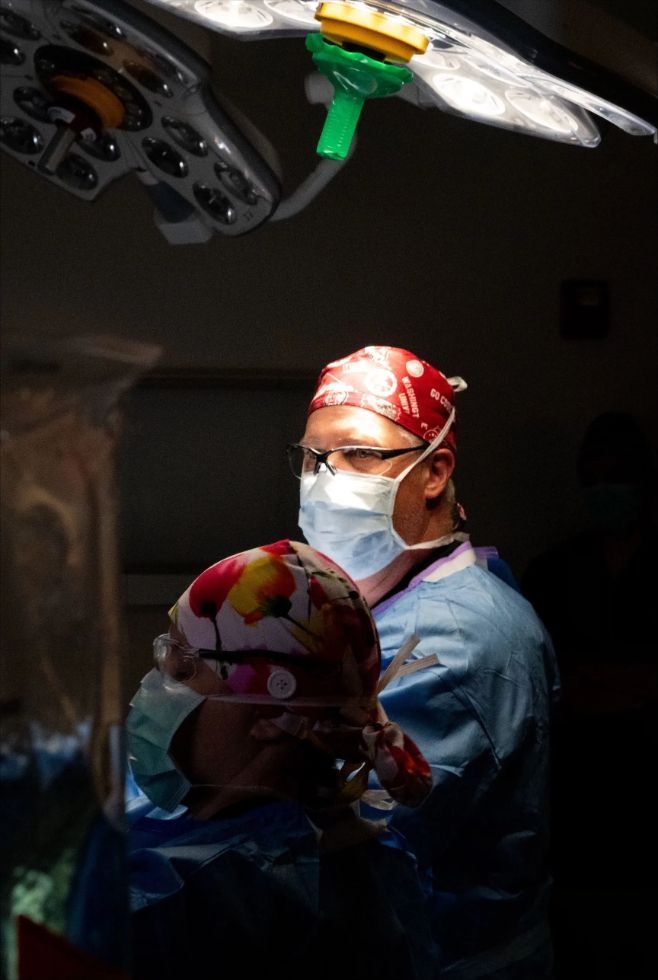
Our surgeons specialize in modern, muscle-sparing techniques, including the posterior total hip replacement. This approach minimizes soft-tissue disruption, resulting in reduced postoperative discomfort and faster rehabilitation times.
Integrated Care Under One Roof
From initial diagnostics and physical therapy to outpatient surgery at our dedicated High Desert Surgery Center, your care stays entirely within one seamless, trusted system.
- Learn more about our specialized total hip replacement procedure.
- Connect with our regional hip and knee joint replacement specialists.
Provider Spotlight: Dr. Michael Sherfey, DO, FAAHKS
Heading our adult reconstructive team is
Dr. Michael Sherfey, a fellowship-trained orthopedic specialist recognized across Washington State for his surgical precision and patient-first philosophy.
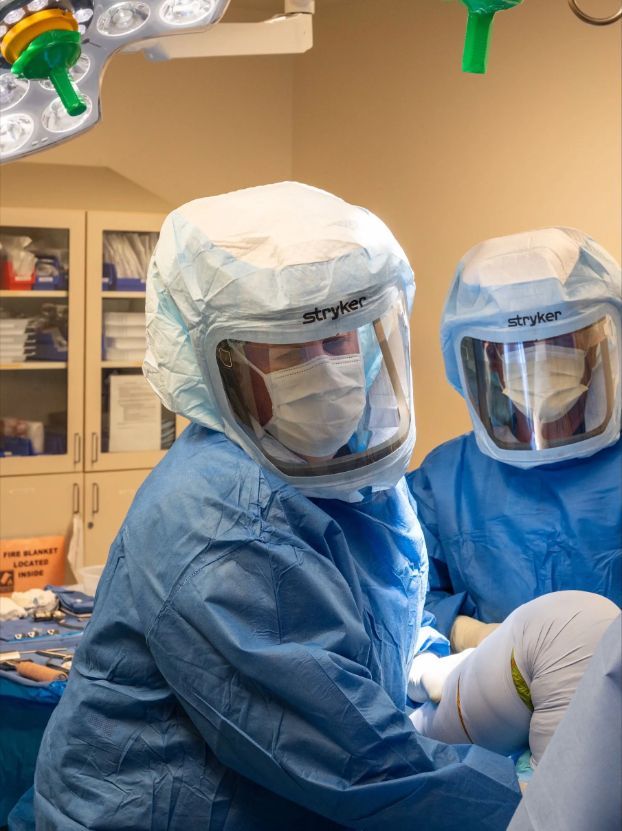
Dr. Sherfey combines advanced joint restoration techniques with genuine empathy. He takes the time to listen to your goals, walk you through your imaging results, and build a treatment plan that fits your personal life, whether that means conservative management or advanced joint replacement.
Atención Médica en Español: Cuidado Especializado de Cadera en el Tri-Cities
En Benton Franklin Orthopedic Associates, entendemos la importancia de recibir atención médica en su propio idioma. Para la comunidad hispana de Kennewick, Pasco y Richland, ofrecemos una experiencia médica totalmente bilingüe.
Nuestros Servicios de Cadera Incluyen:
- Evaluación Médica Completa: Diagnóstico preciso del dolor de cadera y articulaciones.
- Tratamientos No Quirúrgicos: Terapia física, inyecciones articulares para aliviar la inflamación y opciones de medicina regenerativa.
- Cirugía Avanzada de Cadera: Reemplazo total de cadera con técnicas de recuperación rápida en nuestro centro quirúrgico especializado, High Desert Surgery Center.
- Personal Bilingüe: Desde su primera llamada hasta sus citas de seguimiento, nuestro equipo lo atenderá en español con la compasión y el respeto que su familia merece.
Usted no tiene que vivir con dolor de cadera. Nuestro equipo está listo para ayudarle a recuperar su movilidad y mejorar su calidad de vida.
Frequently Asked Questions (FAQs)
How do I know if my hip pain requires surgery?
Surgery is typically considered only after conservative methods such as physical therapy, lifestyle changes, and targeted injections no longer manage your pain or mobility needs effectively.
Do I need a referral to see a hip specialist at BFOA?
While many insurance plans allow you to self-refer directly to our clinic, some specific networks require a referral from a primary care provider. Contact our office team at 509-586-2828 to verify your coverage details.
What is the typical recovery timeline for a total hip replacement?
Most patients are up and walking with assistance the same day as their outpatient procedure. Full recovery and return to normal daily activities generally take between 4 to 12 weeks, depending on individual health and physical therapy commitment.
¿Tienen personal que hable español para atender mi cita?
Sí. En BFOA contamos con personal y especialistas completamente bilingües para guiarle durante todo su tratamiento en español.
Reclaim Your Mobility with BFOA
Hip pain shouldn't keep you from living a full life in the Tri-Cities. Whether you need an accurate diagnosis, non-invasive physical therapy, or expert surgical care, Benton Franklin Orthopedic Associates is here to guide you every step of the way.
Schedule Your Hip Evaluation Today