Plantar Warts: A Guide to Removal in Tri-Cities, WA
That sharp, nagging ache on the bottom of your foot isn't just an annoyance, it can alter how you walk, stand, and live your life. Many patients describe the sensation of a plantar wart as constantly walking on a small, sharp pebble. If you are dealing with this persistent discomfort, you are not alone, and you do not have to wait it out.
At Benton Franklin Orthopedic Associates (BFOA), we have spent over 30 years serving as the trusted, premier orthopedic choice for patients across Kennewick, Pasco, and Richland. Our clinical philosophy has always remained clear: we prioritize conservative, non-invasive treatments first. We exhaust every non-surgical path before ever discussing surgical options, ensuring your recovery is as gentle and efficient as possible.
What is a Plantar Wart and Where Do They Come From?
Plantar warts are non-cancerous skin growths that develop specifically on the soles (plantar surface) of your feet. They are caused by an infection of the Human Papillomavirus (HPV). The virus enters the body through tiny cuts, scrapes, or weak spots in the skin on the bottom of your foot.
Because the virus thrives in warm, moist environments, it spreads easily in high-traffic, shared public spaces. For Tri-Cities residents, common exposure points include:
- Local fitness locker rooms and gym showers in Kennewick.
- Public pool decks and splash pads in Pasco and Richland.
- Shared family bathrooms where someone already has an active lesion.
Because plantar warts are subjected to the constant pressure of your body weight, they often grow inward beneath a hard, thick layer of skin (a callus).
How to Spot a Plantar Wart
It is easy to mistake a plantar wart for a standard corn or callus. However, you can identify a plantar wart by looking for these specific clinical signs:
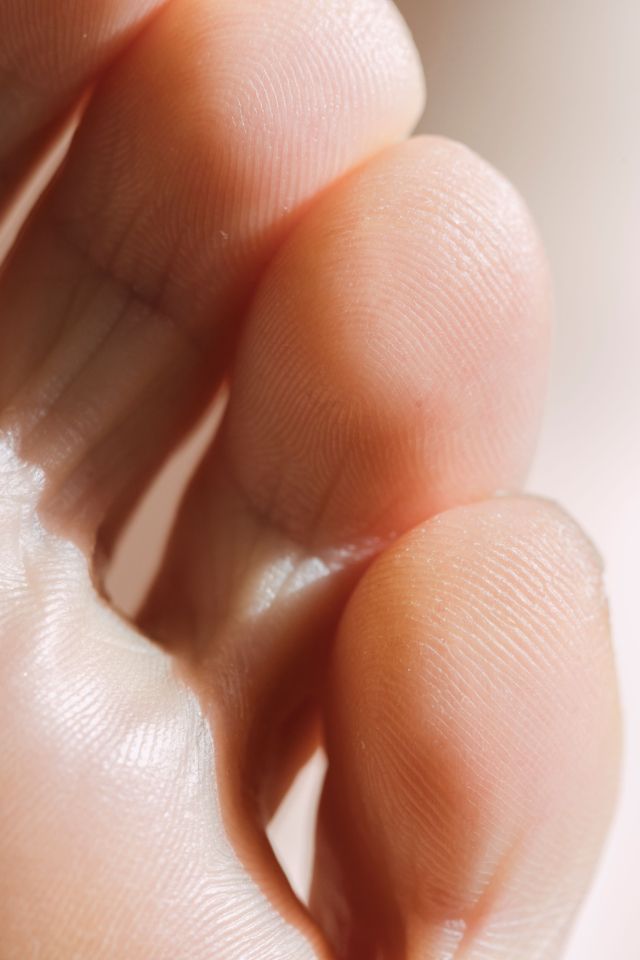
- Interrupted Skin Lines: Unlike calluses, which maintain normal skin ridges, a wart interrupts the natural lines and whorls of your footprint.
- Pinpoint Black Dots: Often called "wart seeds," these tiny black spots are actually small, clotted blood vessels that supply nutrients to the lesion.
- Localized Pain: Plantar warts typically hurt more when squeezed side-to-side, whereas calluses hurt more when pressed directly.
Atención Especializada para Nuestra Comunidad Bilingüe
En Benton Franklin Orthopedic Associates, entendemos que el dolor de pie afecta directamente su capacidad para trabajar, mantener su hogar y disfrutar de la vida en la región de Tri-Cities. Por eso, nos enorgullece ofrecer una experiencia médica completamente bilingüe.

Muchos pacientes nos preguntan: ¿Cómo puedo saber si mi verruga plantar necesita atención médica profesional? La respuesta es sencilla: si la verruga le causa dolor al caminar, cambia de apariencia, se propaga o no responde a los remedios caseros, es el momento de consultar a un especialista. Nuestro personal bilingüe y nuestro portal web interactivo en español aseguran que usted pueda discutir detalladamente sus síntomas, opciones de tratamiento y tiempos de recuperación en su idioma de preferencia, con la comodidad y el respeto que se merece.
The Professional Removal Process: What to Expect
When looking for a solution, many people turn to over-the-counter freeze kits or drugstore salicylic acid patches. Unfortunately, these self-treatments frequently fail. They rarely penetrate deeply enough to eliminate the underlying virus, and they often damage the healthy surrounding skin, sometimes causing the wart to spread or return even stronger.
Our approach to professional plantar warts in Kennewick, WA is rooted in clinical precision and patient comfort.
1. Advanced, Conservative Treatments (Non-Surgical)
Most plantar warts can be resolved without surgery. When you visit our clinic, we focus on safe, highly effective medical therapies designed to trigger your body’s natural defenses and eliminate the lesion:
- Prescription-Strength Topical Treatments: Specialized, high-concentration clinical applications that gently break down the wart tissue layer by layer.
- Cryotherapy: Precise application of liquid nitrogen to freeze and destroy the viral cells under medical supervision.
- Immune-Modulating Therapies: In-office treatments designed to stimulate your local immune system to recognize and fight off the underlying virus.
2. Surgical Removal & Specialized Care
If a plantar wart is exceptionally deep, painful, or highly resistant to conservative therapies, we provide a seamless transition to minor surgical removal.
For advanced cases, Dr. Derrick J. McKay, DPM, our highly skilled foot and ankle specialist, utilizes precise, minimally invasive minor surgical techniques to excise the lesion and prevent recurrence. Dr. McKay’s extensive training ensures that the surrounding healthy tissue is carefully preserved, optimizing your healing time.
If surgery is required, you stay entirely within the trusted BFOA medical family. Dr. McKay performs these advanced interventions at our state-of-the-art High Desert Surgery Center, offering a seamless, cohesive clinical experience from your initial diagnosis through your final follow-up.

Prevention: Keeping Your Feet Clear in the Tri-Cities
Preventing re-infection is just as important as the removal process itself. Protect your feet by practicing these simple, proactive hygiene habits:
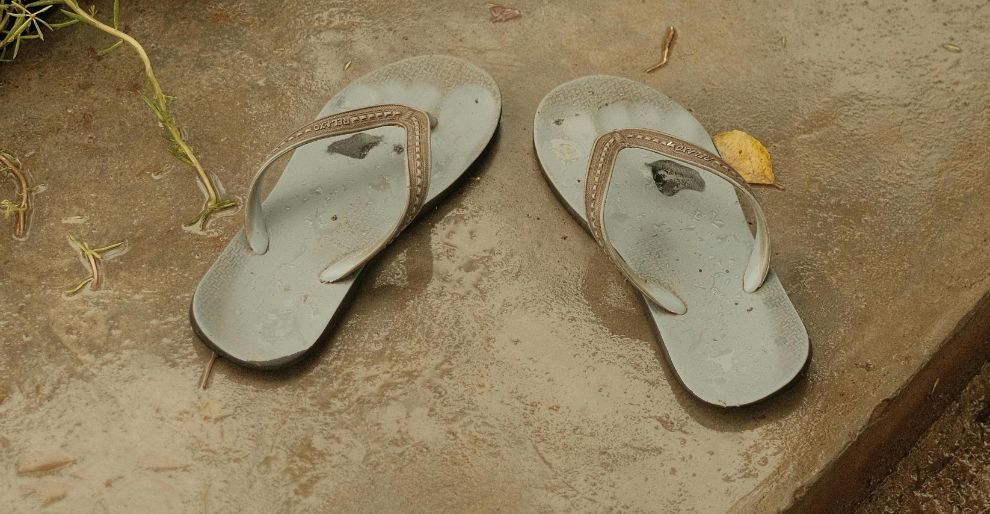
- Use Barrier Protection: Always wear sandals, slides, or water shoes when walking around public pools in Pasco, fitness locker rooms in Richland, or shared showers in Kennewick.
- Keep Feet Dry: Change your socks promptly after workouts or outdoor activities, and dry your feet thoroughly after bathing.
- Do Not Share Tools: Avoid sharing nail clippers, pumice stones, or towels with anyone else in your household.
- Avoid Touching the Lesion: If you have a wart, do not scratch or pick at it. Doing so can spread the virus to other areas of your body or to other people.
Frequently Asked Questions (FAQs)
Are plantar warts contagious to other people?
Yes. The virus that causes plantar warts is highly contagious and spreads through direct skin-to-skin contact or by walking barefoot on surfaces where infected skin cells have been shed. Standard household precautions such as wearing shower shoes and washing bathmats regularly can help protect your family.
How long does the professional removal process take to clear the skin?
Because plantar warts grow deep beneath the skin’s surface, complete removal typically requires a series of targeted, in-office treatments. Depending on the size, age, and depth of the wart, non-surgical therapies can take anywhere from a few weeks to a couple of months to fully resolve the issue. Our team will build a customized treatment plan with clear timelines tailored to your recovery goals.
What if I try to remove a plantar wart on my own?
We strongly advise against attempting to cut, peel, or perform "bathroom surgery" on a plantar wart at home. Because the virus lives in the deeper layers of the skin, attempting to cut it out with nail clippers or razor blades often leads to severe bacterial infections, painful scarring, or permanent nerve damage on the bottom of your foot.
Additionally, aggressive self-treatment can easily spread the virus to other areas of your foot or hand. Over-the-counter freezing kits and chemical patches are rarely strong enough to destroy the root of the wart and often succeed only in burning and damaging the healthy, surrounding skin.
Reclaim Your Pain-Free Stride
You do not have to live with foot pain, and you do not have to navigate stubborn plantar warts on your own. Whether you need conservative, non-surgical care or want to explore advanced foot and ankle surgery in Kennewick, WA, the team at BFOA is here to restore your comfort and mobility.
Contact Benton Franklin Orthopedic Associates today to schedule your consultation with our podiatry team and take your first pain-free step forward.