Understanding Tennis Elbow: Causes, Symptoms & Relief
That nagging, dull ache on the outside of your elbow isn't just an annoyance; it can turn everyday tasks like pouring a morning cup of coffee, turning a doorknob, or typing an email into a painful challenge. If you are dealing with this persistent discomfort, you are far from alone, and you don't have to just "live with it."
Tennis elbow, medically known as lateral epicondylitis, occurs when the tendons that join your forearm muscles to the outside of your elbow become inflamed or micro-torn from repetitive strain. Despite its name, you don’t need to pick up a tennis racket to suffer from it.
What Tennis Elbow Feels Like
Tennis elbow usually sneaks up on you gradually. What starts as a mild tenderness can eventually turn into a sharp, burning pain during simple movements. Common signs include:
- Weakened Grip Strength: Difficulty holding a mug, shaking hands, or opening a jar.
- Outer Elbow Pain: A distinct ache radiating from the bony bump on the outside of your elbow down into your forearm.
- Aggravated Movement: Increased pain when bending your wrist backward or lifting light objects.
What Causes It? (It Isn't Just an "Older Person" Condition)
A common myth is that joint and tendon issues only affect seniors or high-level athletes. In reality, tennis elbow frequently impacts active young adults, desk workers, and manual laborers across the Tri-Cities.
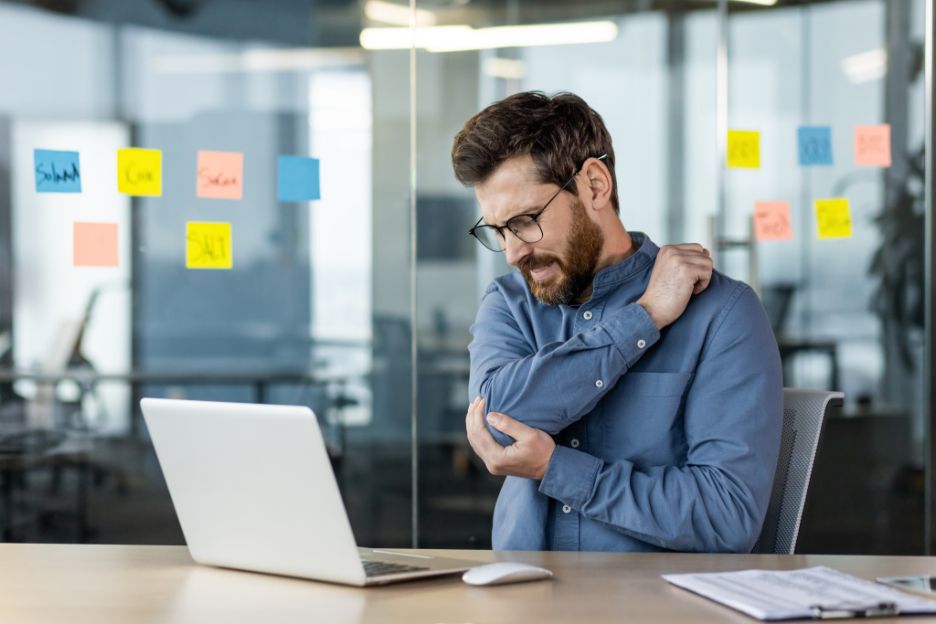
Tennis elbow is an overuse injury caused by repetitive wrist and arm motions. Your forearm muscles work hard every day, and over time, continuous stress causes tiny micro-tears in the tendons. Common culprits include:
- Repetitive typing, mouse usage, and office work.
- Trades like plumbing, painting, carpentry, and auto repair.
- Racket sports, weightlifting, and CrossFit.
- Gardening, raking, and home improvement projects.
Whether you are 25 or 65, any activity that strains those forearm tendons can trigger the condition.
Effective, Non-Surgical Treatment Options
Dealing with joint pain can feel overwhelming, but surgery is rarely the first step. At Benton-Franklin Orthopedic Associates, our core philosophy centers on conservative, non-invasive care first. We exhaust non-surgical therapies to help your body heal naturally before ever considering surgical intervention.
Common, effective treatments for tennis elbow include:
- Rest and Activity Modification: Giving the tendon time to calm down while adjusting how you perform daily tasks.
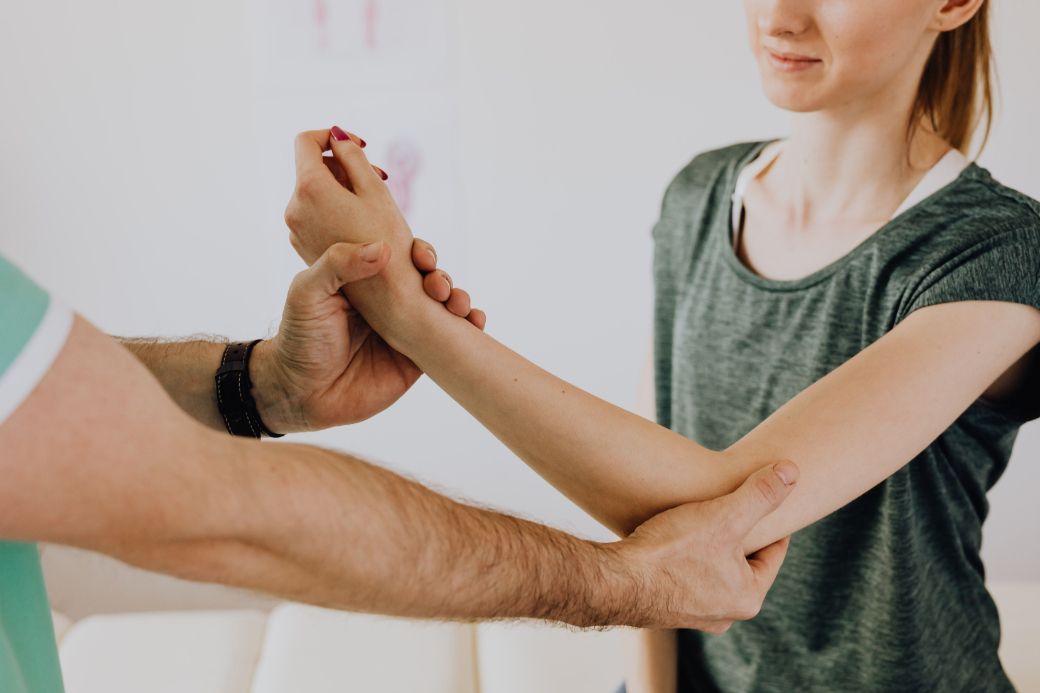
- Targeted Physical & Occupational Therapy: Working with our specialized therapists to stretch and strengthen the forearm muscles, improving flexibility and restoring full grip strength. Learn more about our comprehensive elbow care in Kennewick, WA to see how our team creates customized recovery plans.
- Targeted Bracing: Wearing a counterforce brace to relieve pressure on the healing tendon.
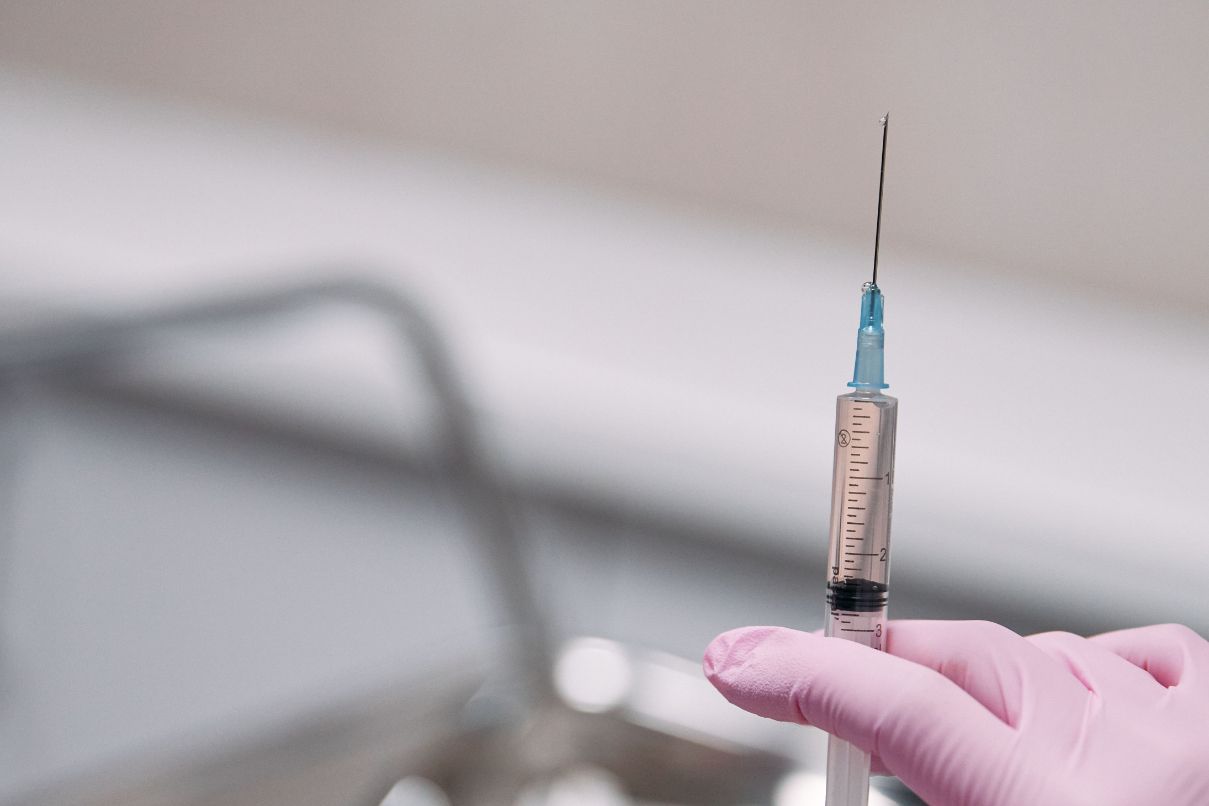
- Regenerative Medicine (PRP Therapy): For persistent cases, Platelet-Rich Plasma (PRP) therapy uses your body’s own natural growth factors to accelerate tissue repair and soothe chronic inflammation. Discover how PRP injections in Kennewick, WA offer a cutting-edge option for long-term healing.
Comprehensive Care Under One Roof
When self-care isn't enough, you need a team that understands your unique recovery goals. Our integrated medical team comprising experienced orthopedic physicians, physician assistants, physical therapists, and occupational therapists works closely together to guide you from initial diagnosis through rehabilitation.
If specialized treatment or advanced procedures are ever required, our patients experience a seamless transition to our high-tech facility, ensuring you stay within one trusted family of care. Learn more about our specialized tennis elbow care in Kennewick, WA and explore our full range of dependable orthopedic solutions.
Frequently Asked Questions About Tennis Elbow
How do I know if my elbow pain is tennis elbow or something else?
Tennis elbow typically causes pain centered on the bony bump on the outside of your elbow, which worsens when gripping objects or bending your wrist back. If your pain is on the inside of the elbow, it may be "golfer's elbow" (medial epicondylitis). A thorough evaluation by an orthopedic specialist can provide an accurate diagnosis.
How long does a tennis elbow take to heal?
With conservative treatments like physical therapy, rest, and targeted exercises, most patients experience significant relief within 3 to 6 months. Early intervention helps shorten recovery time and prevents chronic tendon damage.
Will I need surgery for tennis elbow?
In the vast majority of cases, no. Over 90% of tennis elbow cases resolve successfully with non-surgical treatment. Surgery is only considered as a last resort when conservative therapies have been thoroughly exhausted without relief.
Atención Médica en Español / Spanish Language Care
En Benton-Franklin Orthopedic Associates, entendemos lo importante que es comunicarse en su propio idioma cuando se trata de su salud. Cuidar de sus codos y articulaciones no debería verse obstaculizado por una barrera del idioma. Nuestro equipo ofrece atención compasiva y bilingüe para la comunidad de Kennewick, Pasco y Richland. Si usted o un familiar sufre de dolor en el codo, estamos aquí para ayudarle a recuperar su calidad de vida sin recurrir a la cirugía como primera opción.
Get Back to the Activities You Love
You don't have to let elbow pain dictate your daily routine. Take the first step toward lasting, non-surgical relief by connecting with our compassionate team today. Schedule an evaluation through our
trusted orthopedic services contact page in Kennewick to begin your recovery journey.