Can Physical Therapy Fix Your Pain? What You Need to Know
Pain does something incredibly cruel: it slowly but systematically shrinks your world.
It begins with subtle, almost unconscious adjustments. You start avoiding the stairs at work. You stop reaching for items on the top shelf of your pantry. You decline an afternoon stroll at Howard Amon Park because you are terrified your knee, hip, or lower back will flare up. Eventually, you find yourself trapped, wondering if this constant, exhausting ache is simply your "new normal."
We hear these exact anxieties every single day at Benton Franklin Orthopedic Associates (BFOA). When you are hurting, it is completely natural to look for quick fixes or worry that major orthopedic surgery is your only path forward.
However, our foundational clinical philosophy stands firm: We only resort to surgery when all non-invasive, conservative options have been exhausted. If your goal is to truly fix your pain rather than temporarily masking it, the most powerful, clinically proven resource at your disposal is targeted, expert-led movement.
Moving Beyond the Symptom: How PT Fixes the Root Cause
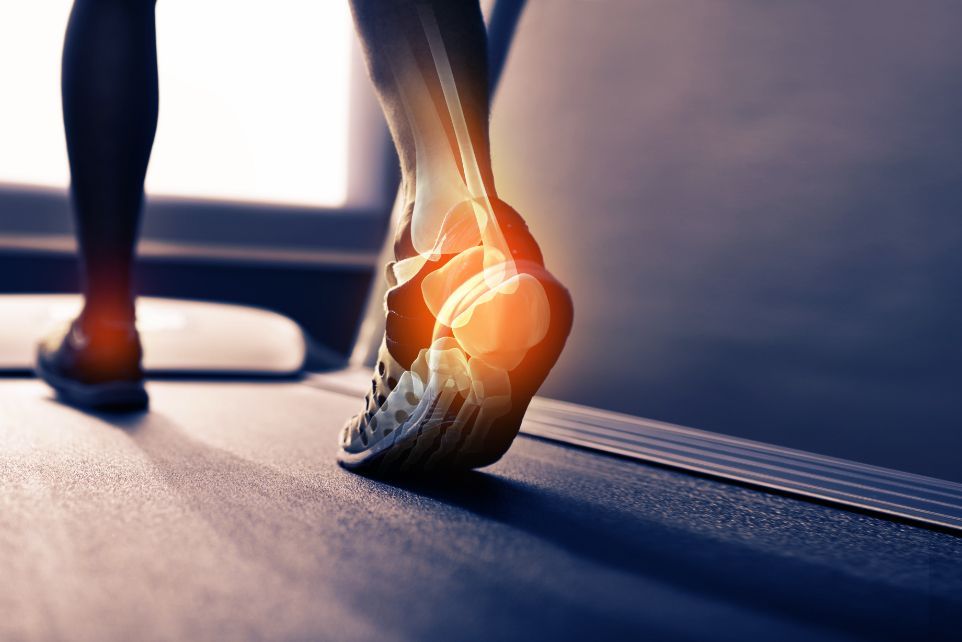
When you take a prescription or over-the-counter pain reliever, you are essentially turning off the smoke alarm while the fire is still actively burning. Physical therapy is the exact opposite: it is a highly targeted, physiological intervention designed to find and extinguish the biological source of your pain.
Most chronic musculoskeletal pain is caused by mechanical failures: structural joint imbalances, compensatory movement patterns, or weak stabilizing muscles. To understand how our specialized
physical and occupational therapy in the Tri-Cities, WA fixes these mechanical failures, we have to look at the clinical science of movement.
1. Re-Educating Your Body’s Kinetic Chain
When a specific joint hurts, your body automatically alters your gait or posture to shield that area from pressure. While this "muscle guarding" is helpful for a brief, acute injury, over time it creates a destructive domino effect. It forces surrounding muscles and joints to overwork, leading to secondary alignment issues and entirely new patterns of pain. Our physical therapy team breaks this cycle. By analyzing your global movement mechanics, we isolate and correct those underlying structural imbalances to stop the pain loop for good.
2. Decompressing and Offloading Degenerative Joints
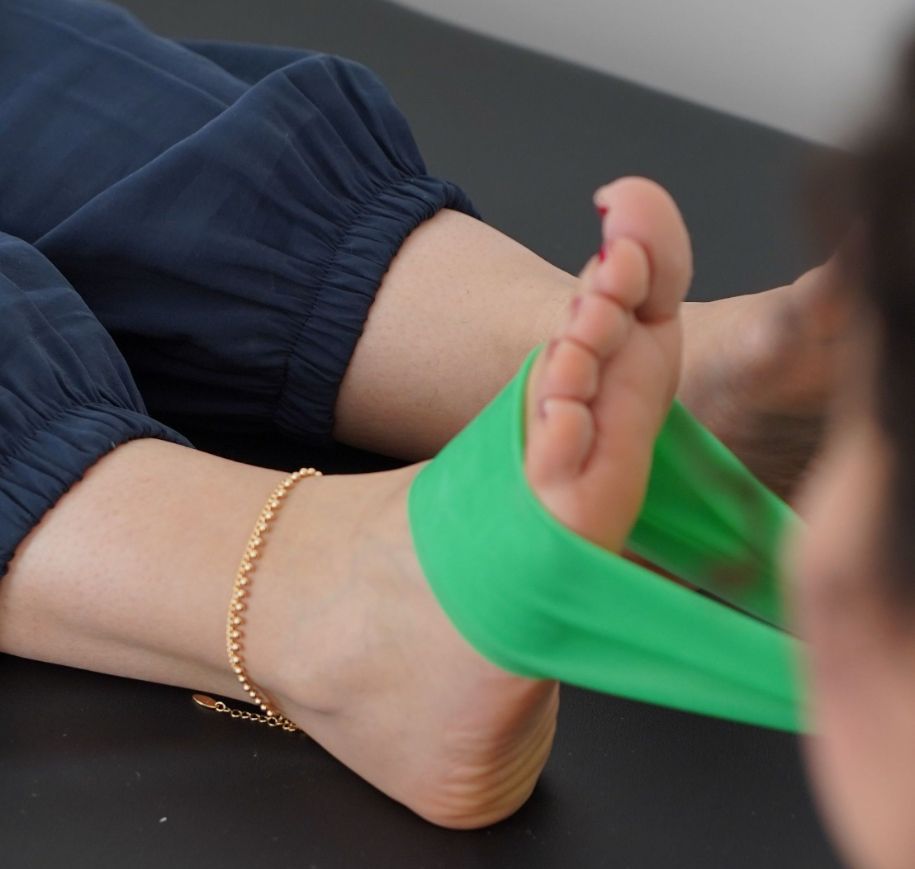
For those living with osteoarthritis or degenerative disc disease, the protective cartilage that cushions your bones has gradually worn thin. While therapy cannot magically regenerate lost cartilage, it can build a highly supportive "sleeve" of muscle around the affected joint. By strategically strengthening the surrounding stabilizers, we physically offload raw pressure from the sensitive joint capsule. This mechanical shift results in immediate, lasting pain reduction.
3. Dissolving Rigid, Restrictive Scar Tissue
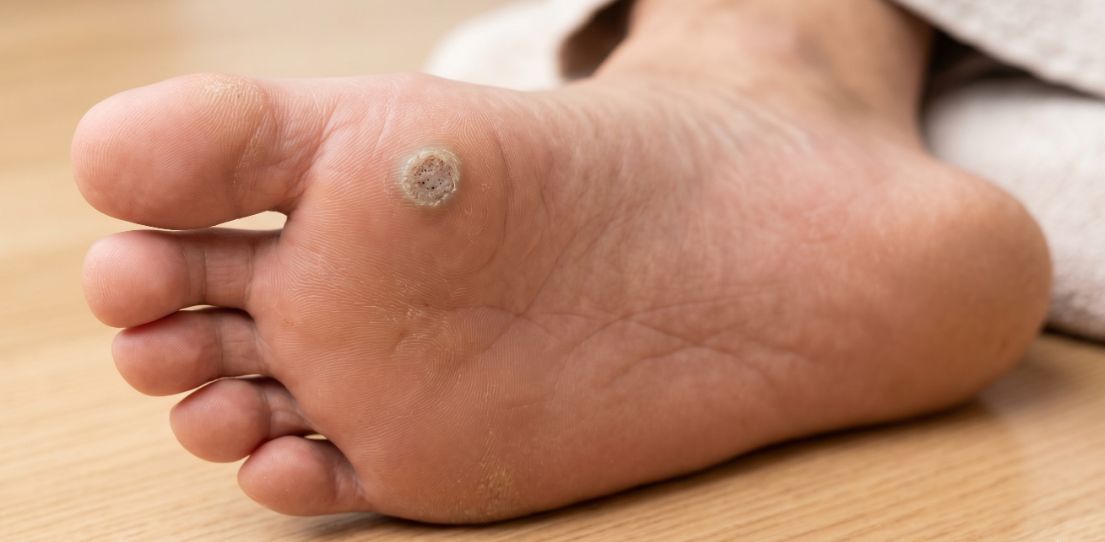
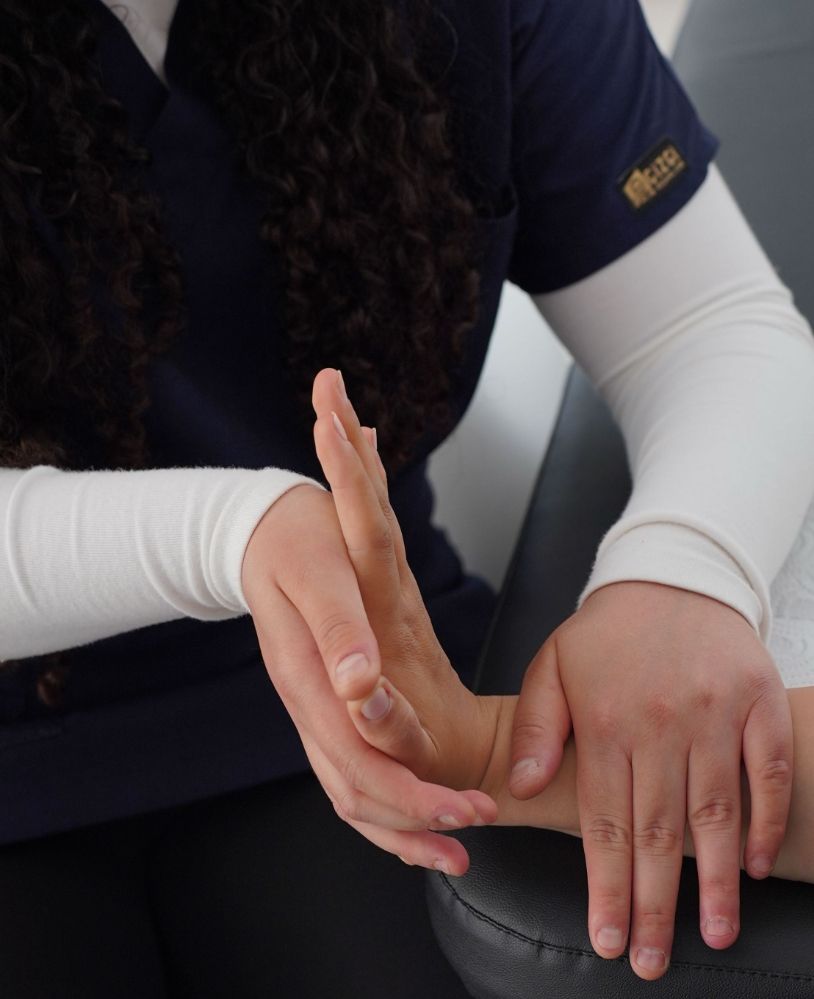
Following a sudden injury, a workplace accident, or a surgical procedure, your body rapidly lays down dense collagen fibers to repair the damage. Unfortunately, this tissue often heals as a disorganized, inflexible mesh of scar tissue. This rigid tissue binds up adjacent muscles and nerves, resulting in sharp pain and restricted movement. Physical therapy utilizes specialized manual therapies to break these tight adhesions apart, restoring fluid, pain-free mobility.
Meet the Movement Specialists Fixing Pain in the Tri-Cities
To achieve a true recovery, your treatment cannot be generic. You deserve a highly specialized clinician who understands the intricate physics of human anatomy. At BFOA, we bridge the gap between advanced orthopedic diagnosis and hands-on rehabilitation, offering a fully integrated suite of dependable orthopedic solutions.
Our physical and occupational therapy team works directly alongside our medical providers, including specialists like Dr. Stephen Dechter, DO, our fellowship-trained pain management physician, to design your customized recovery plan:
- Josh Gilbertson, MOTR/L, GTS: As an Occupational Therapist and certified Graston Technique Specialist (GTS), Josh focuses on advanced soft tissue mobilization. He is the clinical expert you see when rigid scar tissue from a workplace strain, repetitive motion injury, or old trauma is actively locking up your joints and causing localized, chronic pain.
- Dr. Rodney Kump, DPT: Holding a Doctorate in Physical Therapy, Dr. Kump evaluates your body through a lens of precise biomechanical engineering. He excels at diagnosing the subtle mechanical failures that cause chronic lower back pain, knee instability, and complex sports injuries, teaching your body how to move safely and efficiently.
- Randelle Fuller, PT: Randelle is widely recognized throughout Kennewick and the wider Tri-Cities for her compassionate, patient-centered longevity programs. She understands the immense mental and emotional toll of living with physical limitations, pacing your therapy to ensure you feel secure, heard, and supported as you reclaim your strength.
Your Dedicated Recovery Center
If you have already read our foundational article on physical therapy in Kennewick as your first step to healing, you know that convenience and focused clinical communication are crucial for a successful recovery.
To ensure our physical therapy patients receive uninterrupted, elite-level care, we operate a dedicated rehab facility separate from our main surgical clinics. You can reach our specialized PHYSICAL & OCCUPATIONAL THERAPY center directly by calling 509-582-6335. When you call this line, you bypass the main hospital switchboards and connect directly with the specific therapy team managing your clinical rehabilitation.
Atención a nuestra comunidad bilingüe: Creemos que una recuperación exitosa requiere una comunicación clara y empática. En nuestro centro de terapia física y ocupacional, contamos con personal bilingüe listo para guiarle en cada paso de su rehabilitación. No permita que el dolor continúe limitando su vida; llámenos hoy mismo al 509-582-6335.

Deep-Dive FAQs: How Physical Therapy Fixes Pain
How long does it take for physical therapy to fix chronic pain?
Because every patient's injury, lifestyle, and physiological background are unique, there is no single timeline for healing. However, physical recovery generally follows predictable biological phases:
- Phase 1: Pain & Inflammation Reduction (Weeks 1–3): Our initial focus is reducing acute tissue irritation. Through gentle mobilization, passive stretching, and targeted modalities, we work to quiet down overactive pain receptors. Many patients experience a noticeable decrease in daily aching during this phase.
- Phase 2: Tissue Proliferation & Muscle Re-Education (Weeks 4–8): This is where the actual mechanical fix happens. We begin rebuilding the weak stabilizing muscles and correcting faulty movement patterns. This stage requires patience, as we are actively retargeting muscle groups that may have been dormant for years.
- Phase 3: Remodeling & Long-Term Durability (Weeks 8–12+): During this final phase, we focus on functional conditioning. We prepare your body to handle the physical demands of your daily life, whether that means lifting heavy loads at work, running on local trails, or bending down to play with your grandkids without a second thought.
To achieve lasting, structural changes in muscle memory and joint stability, a typical comprehensive physical therapy program spans 6 to 12 weeks of consistent commitment.
Is physical therapy supposed to hurt? What is the difference between "good" and "bad" pain?
There is a profound, clinically vital difference between therapeutic discomfort and pathological injury pain:
- Therapeutic Discomfort ("Good Pain"): Re-engaging weak, underused muscles and breaking down stiff scar tissue will naturally cause mild soreness. This sensation is very similar to the deep, dull ache you feel after an intense workout. It is a sign of micro-adaptation, meaning your tissues are successfully adapting, rebuilding, and growing stronger.
- Pathological Pain ("Bad Pain"): This is a sharp, stabbing, pinching, or radiating sensation that occurs during or immediately after an exercise. It is your body’s emergency alarm system warning you that a structural tissue is being unsafely overloaded.
Our physical therapists are trained to closely monitor your body's response. We teach you how to read these internal signals, ensuring your clinical movements remain strictly within a safe, productive, and healing zone. A great rule of thumb we share with patients is the 24-Hour Rule: if any therapeutic muscle soreness lasts longer than 24 hours or keeps you from sleeping, your program is modified during your next visit to ensure your joints are protected.
Do I need a doctor's referral to start physical therapy at BFOA?
Under Washington State law, patients enjoy Direct Access to physical therapy. This means you have the legal right to be evaluated and treated by a licensed physical therapist without first obtaining a formal prescription or referral from a physician.
However, there are two important clinical reasons why our integrated model at BFOA is highly beneficial:
- Insurance Requirements: While Washington State does not require a referral, certain private health insurance networks, L&I (workers' comp) policies, or Medicare plans do require a physician's referral to cover the cost of therapy. Our administrative staff will pre-authorize your benefits to ensure you face zero financial surprises.
- Integrated Care Synergy: When you receive therapy at BFOA, your physical therapist is in direct, daily communication with our entire team of orthopedic surgeons and pain specialists. If your recovery plateaus or requires a diagnostic update (like an MRI or X-ray), your therapist can immediately consult with our medical doctors to adjust your care. This seamless integration ensures your recovery is incredibly safe and cohesive.

Can physical therapy help me avoid joint replacement surgery entirely?
For a vast number of patients struggling with moderate-to-severe joint degeneration, the answer is a resounding yes.
While physical therapy cannot reverse structural osteoarthritis or physically regrow worn-out cartilage, it can fundamentally alter the mechanical forces acting upon your joints. Think of your muscles as your body's built-in, biological shock absorbers. When the muscles surrounding a degenerate knee, hip, or shoulder joint are weak, every step you take sends raw, unbuffered shockwaves straight into the sensitive bone.
By strategically strengthening those muscle groups, we transform them into a highly supportive brace. This takes the physical load off the joint capsule, allowing you to walk, bend, and move with significantly less pain. For many of our patients, this conservative intervention delays the need for joint replacement surgery by several years, and for many others, eliminates the need for surgery entirely.
Stop Modifying Your Life Around Your Pain
You do not have to sit on the sidelines, and you do not have to let physical limitations dictate where you can go in the Tri-Cities. Your body is remarkably resilient, and with the right expert clinical guidance, you can fix the mechanical flaws that are keeping you in pain.
Take your definitive first step toward lasting, non-surgical relief today. Contact our specialized PHYSICAL & OCCUPATIONAL THERAPY center directly at 509-582-6335 to schedule your comprehensive biomechanical evaluation. Let's start rebuilding your movement, your confidence, and your life.