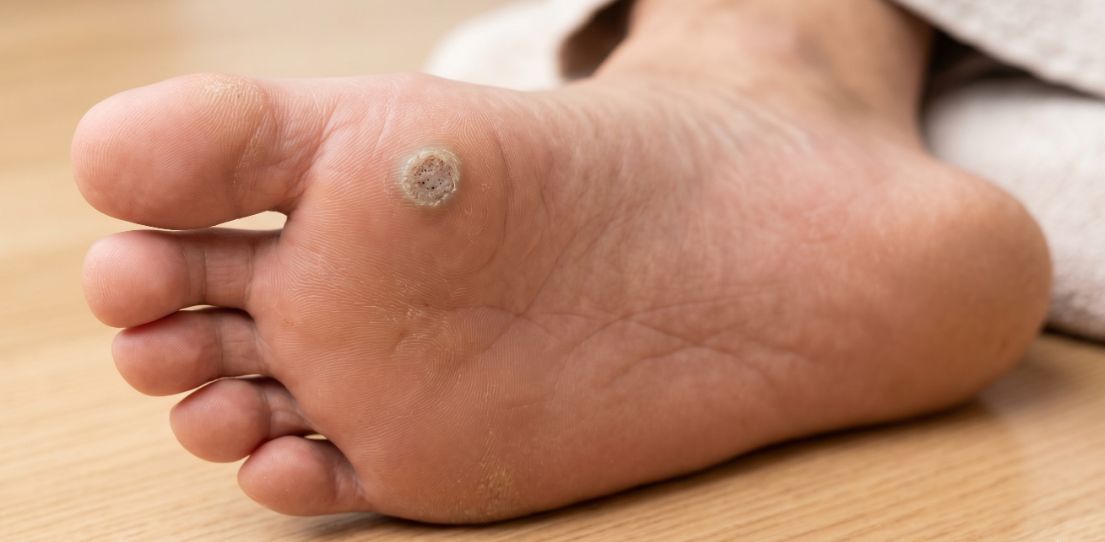
Pain Management: Why True Relief is More Than Medication
For many Tri-Cities residents, chronic pain is an unwelcome, daily companion. Whether it is a dull, persistent ache in the lower back after a long shift, or sharp joint pain that flares up during a weekend run along the Columbia River, pain reshapes how you live.
When pain strikes, reaching for the medicine cabinet is the instinctive reaction. Pills offer a promise of quick, effortless relief. But there is a vital distinction between silencing a fire alarm and putting out the fire. Masking pain with medication does not cure the structural or neurological issue causing it.
At Benton Franklin Orthopedic Associates (BFOA), we have spent over 30 years helping our neighbors in Kennewick, Pasco, and Richland reclaim their lives. Our philosophy centers on a "Conservative First" pathway: we exhaust every non-invasive and targeted medical resource to resolve your pain at its source before we ever discuss surgical intervention. True, lasting relief requires a strategy that goes far beyond a prescription pad.

The Trap of the "Pill-First" Approach
Relying entirely on pain medication, whether over-the-counter NSAIDs or prescription narcotics, presents several long-term physiological and neurological challenges:
- Tolerance and Neuroadaptation: Over time, the nervous system adapts to external chemical interventions. In the case of prescription narcotics, the brain's opioid receptors begin to downregulate (decrease in sensitivity and number), requiring progressively higher doses to achieve the same level of pain relief. This creates a cycle of escalation where the treatment becomes less effective even as the risks of dependency and cognitive side effects increase.
- Muted Biomechanical Feedback and Overuse Injuries: Pain is not just an unpleasant sensation; it is your nervous system's essential protective mechanism. When you artificially mute this warning system with heavy analgesics, you disable your body's natural "stop signs." Without the feedback of pain, patients frequently push through physical limitations such as carrying heavy loads or running on a damaged knee, leading to micro-tears, accelerated cartilage degeneration, and severe, permanent structural damage to joints and spinal discs.
- Systemic Side Effects and Organ Strain: Widespread, continuous use of oral medications forces your entire body to process chemicals meant for a localized area. Chronic use of NSAIDs (like ibuprofen or naproxen) inhibits crucial COX enzymes, which can rapidly deplete the stomach’s protective mucosal lining, leading to severe gastrointestinal ulcers or bleeding. Furthermore, these medications restrict blood flow to the kidneys, increasing the risk of renal strain, while prolonged acetaminophen use places a heavy metabolic burden on the liver.
For both the office worker sitting at a desk all day and the competitive athlete training for their next local race, medication treats pain as an isolated symptom. At BFOA, we treat pain as a symptom of a larger biomechanical or neurological dysfunction. To fix the symptom, we must diagnose and address the root cause.
Targeting the Source: Interventional Pain Management
When lifestyle modifications are not enough, but surgery is neither necessary nor desired, interventional medicine bridges the gap. The goal of this specialty is simple: target the exact anatomical structure generating the pain signal and shut it down.
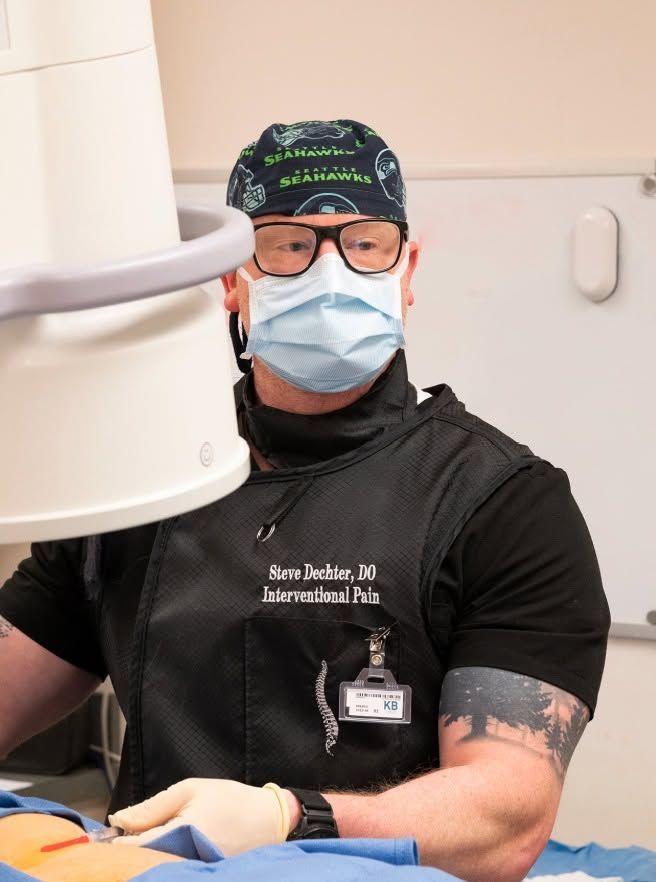
At our Kennewick clinic, Dr. Stephen Dechter, DO leads our conservative medical intervention efforts. Dr. Dechter specializes in identifying the complex pathways of chronic pain and utilizing state-of-the-art procedures to deliver direct, targeted relief.
Through advanced interventional pain management in Kennewick, WA, we help patients break the cycle of chronic discomfort. Rather than flooding your entire system with medication, Dr. Dechter utilizes highly precise, outpatient techniques to soothe inflamed tissues and calm hyperactive nerves.
Our specialized spine and musculoskeletal interventional procedures include:
- Epidural Steroid Injections (ESIs): Delivering powerful anti-inflammatory medicine directly into the epidural space to alleviate nerve compression.
- Facet Joint Injections: Calming arthritis-related pain within the small, stabilizing joints of the spine.
- Radiofrequency Ablation (RFA): Using quiet thermal energy to temporarily disable the specific nerve fibers transmitting pain signals to the brain.
These targeted therapies are exceptionally effective at treating complex conditions like neuropathic pain (commonly felt as burning, tingling, or shooting nerve pain) and providing sustained relief of refractory back or leg pain that has failed to respond to basic primary care. By directly cooling down inflammation, these procedures create a crucial "window of relief" that allows you to comfortably participate in active physical rehabilitation.
Movement as Medicine: From the Everyday Worker to the Local Athlete
Once pain is controlled, the next phase of healing is restoring your physical foundation. True recovery is an active process.
At BFOA, we integrate specialized medical intervention with our dedicated team for physical and occupational therapy in the Tri-Cities, WA. Our physical and occupational therapy division does not just guide you through generic exercises; they design personalized biomechanical programs based on your daily lifestyle demands.
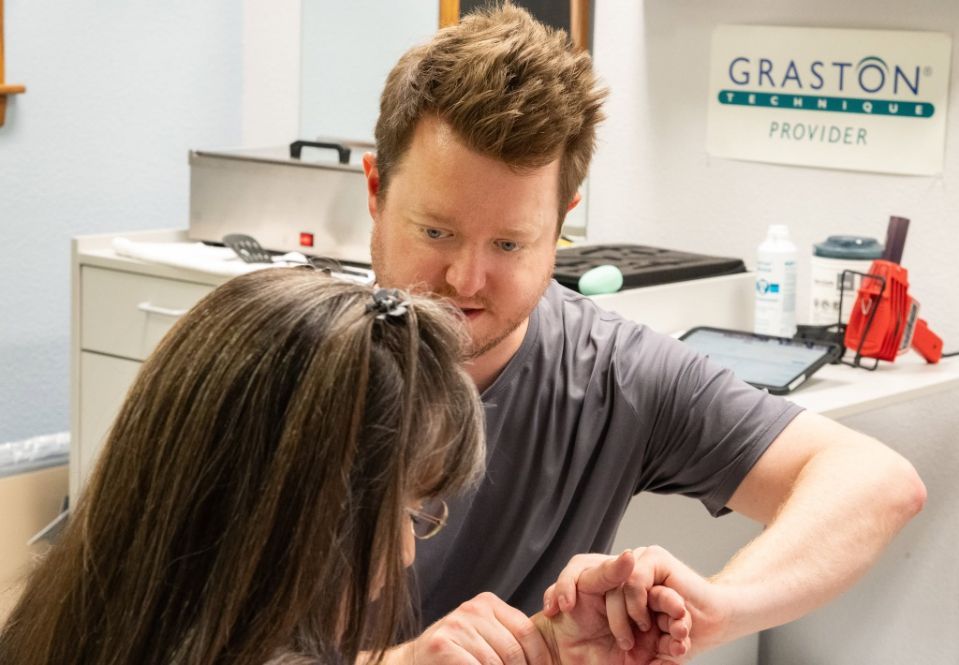
For our physical therapy patients, our clinical experts lead the rehabilitation journey:
- Rodney Kump, DPT works closely with patients to restore natural joint mechanics, improve core stability, and correct structural imbalances that trigger chronic spinal strain.
- Randelle Fuller, PT specializes in building targeted strength-recovery protocols, helping patients transition smoothly from acute pain back to their favorite recreational activities.
For those requiring specialized upper extremity care, hand therapy, or functional modifications for daily living, Josh Gilbertson, MOTR/L, GTS provides expert occupational therapy. Josh focuses on modifying physical habits to reduce joint stress, ensuring that everyday movements stop contributing to chronic wear and tear.
Whether you are an everyday athlete looking to return to golf, hiking, or running, or a local worker needing to lift, bend, and stand without agony, our therapeutic team collaborates directly with our medical providers to monitor your progress in real-time.
Frequently Asked Questions About Pain Management
How is interventional pain management different from standard pain management?
Standard pain management typically relies on systemic oral medications such as muscle relaxers, NSAIDs, or oral opioids. Because these pills are digested, they must circulate throughout your entire bloodstream to take effect, which often results in widespread side effects (like cognitive fog, stomach irritation, and organ strain) long before a therapeutic dose reaches the painful area.
In contrast, interventional pain management bypasses systemic distribution. Using advanced diagnostic imaging such as real-time fluoroscopy (X-ray guidance) or high-resolution ultrasound, our specialists guide treatments directly to the compromised anatomy. Whether it is an inflamed facet joint, a compressed nerve root, or a strained ligament, we deliver highly concentrated, localized therapy directly to the source of the pain signal. This maximizes local relief while sparing the rest of your body from systemic medication exposure.
I’ve tried physical therapy before, and it didn’t work. Why is BFOA different?
Traditional physical therapy often fails because of clinical "silos": the prescribing physician and the therapist practice at separate organizations, communicating only through occasional faxed progress reports. Under that fragmented model, if a specific exercise triggers a painful flare-up, therapy is halted or delayed while you wait weeks for an appointment to see your doctor again.
At BFOA, our physical and occupational therapists operate under the same clinical roof as our orthopedic surgeons and interventional pain specialists. We utilize a fully integrated, shared electronic medical record (EMR) system and consult with one another daily. If a patient experiences a roadblock, our therapists can walk down the hall to consult directly with the treating physician. This allows us to dynamically adjust your physical rehabilitation to match your real-time medical status, ensuring that therapy is always safe, progressive, and highly coordinated.

Are interventional procedures safe?
Yes. Spine and musculoskeletal interventional procedures are exceptionally safe, minimally invasive, outpatient treatments. Unlike major surgery, these treatments do not require general anesthesia, large incisions, or hospital stays.
We perform these procedures in a highly controlled clinical environment using local anesthetics to ensure your comfort. Our use of real-time imaging guidance ensures pinpoint accuracy, which significantly reduces the risk of injury to surrounding tissues or blood vessels. Most patients experience minimal downtime, returning home the same day and resuming their light daily activities within 24 to 48 hours.
Reclaim Your Quality of Life Close to Home
You do not have to accept chronic pain as an inevitable part of aging or activity. By combining advanced interventional diagnostics with targeted physical rehabilitation, BFOA offers a comprehensive alternative to continuous medication. We are here to help you move freely, live comfortably, and heal naturally.
Tome el Control de su Salud hoy Mismo
Entendemos que el idioma nunca debe ser una barrera para recibir una excelente atención médica. En Benton Franklin Orthopedic Associates, contamos con un equipo bilingüe listo para ayudarle a entender sus opciones de tratamiento y guiarle en cada paso de su recuperación. Si prefiere recibir atención en español, visite nuestra página de servicios ortopédicos de confianza para programar su consulta con nuestros especialistas.
Schedule Your Consultation
Ready to find real, lasting solutions to your pain? Take the first step toward long-term recovery. Contact Benton Franklin Orthopedic Associates today to schedule your comprehensive evaluation at our Kennewick clinic, or call us directly at (509) 586-2828.